
-
 SaleFree Shipping
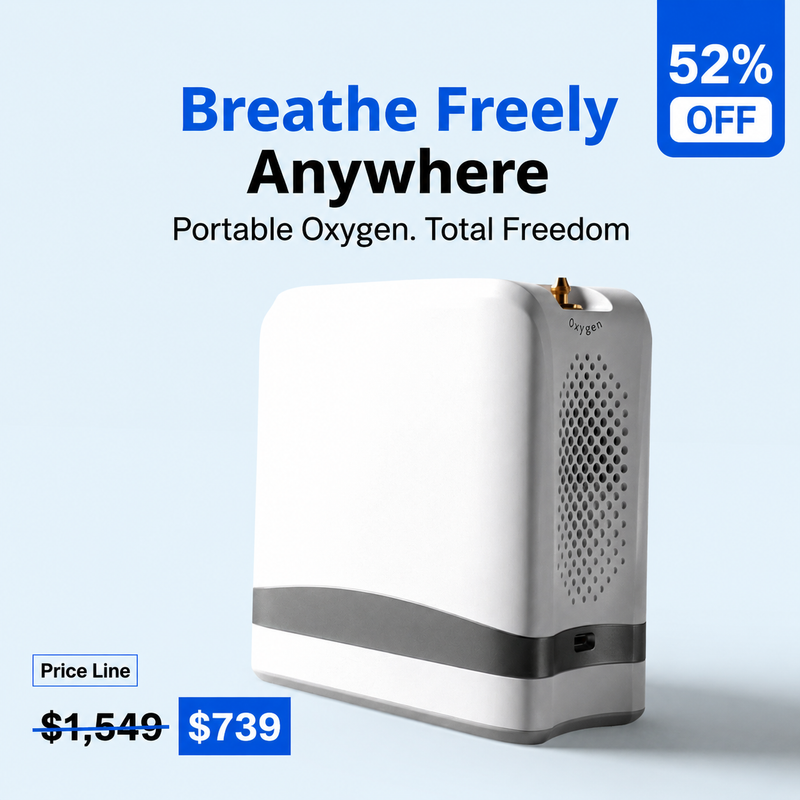
1-7L Smart Oxygen Concentrator
1-7L adjustable flow·Up to 4 hours runtime
$739.00 $1,549.00 -
 SaleFree Shipping
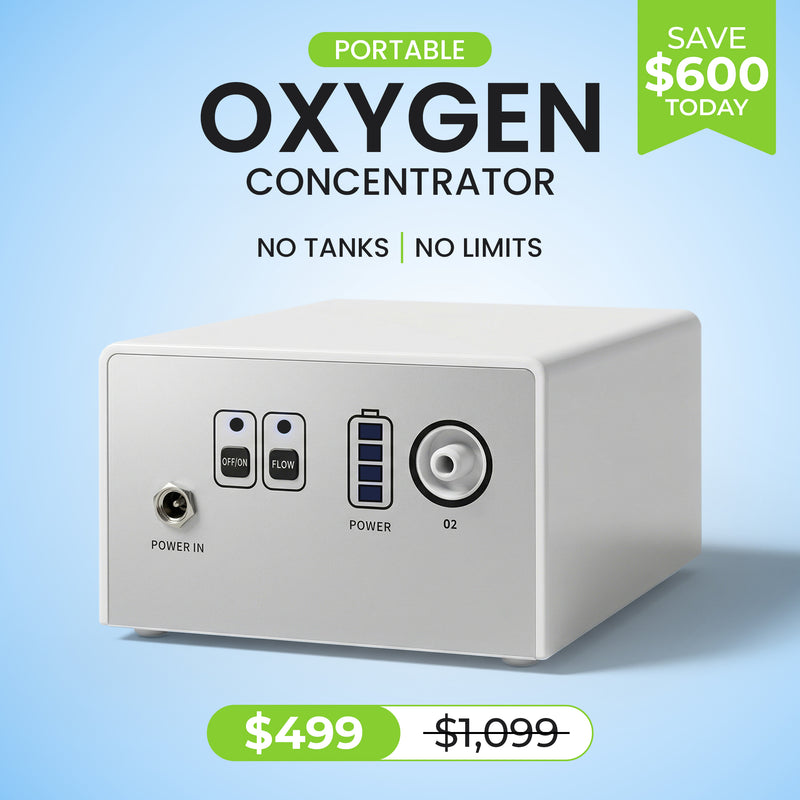
1-3L Outdoor Oxygen Concentrator
1-3L adjustable flow·1.1 lb lightweight
$499.00 $1,099.00 -
 Free Shipping
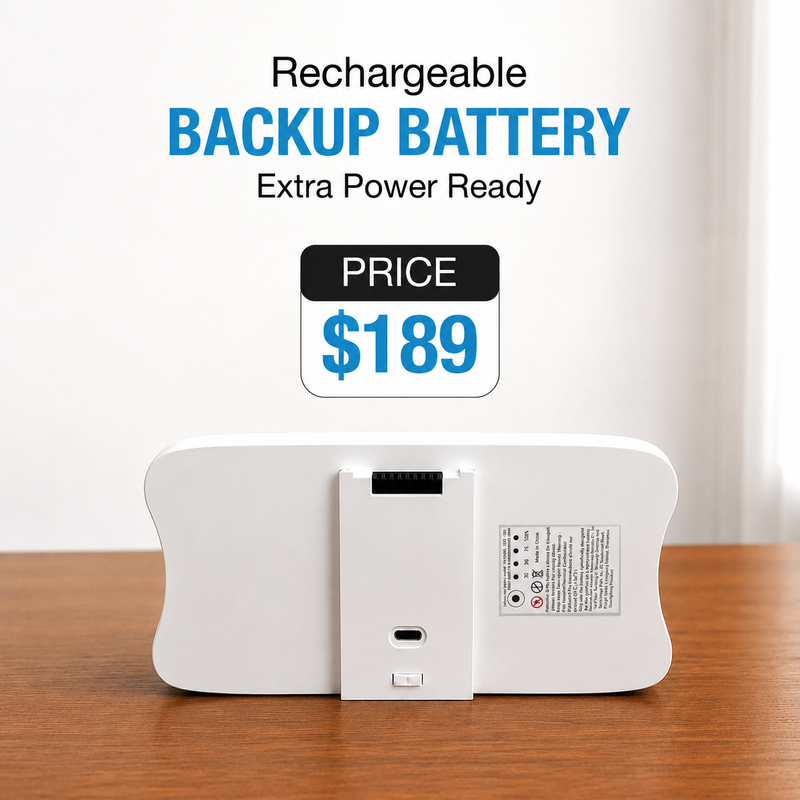
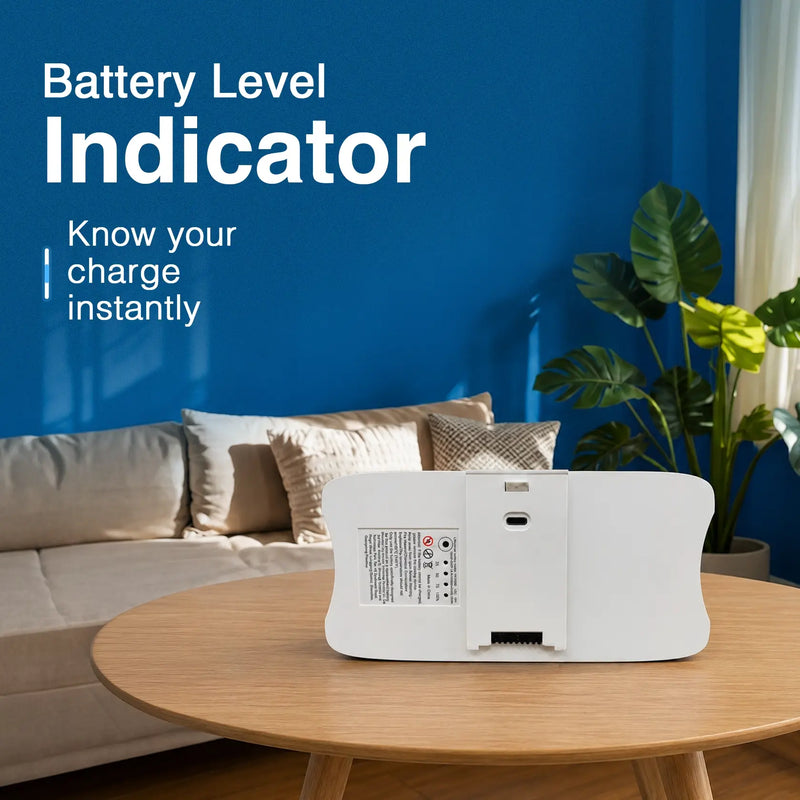
USB-C Rechargeable Battery for 1-7L/Min
Up to 4 hours runtime·USB-C direct charging
$189.00 -
 Free Shipping
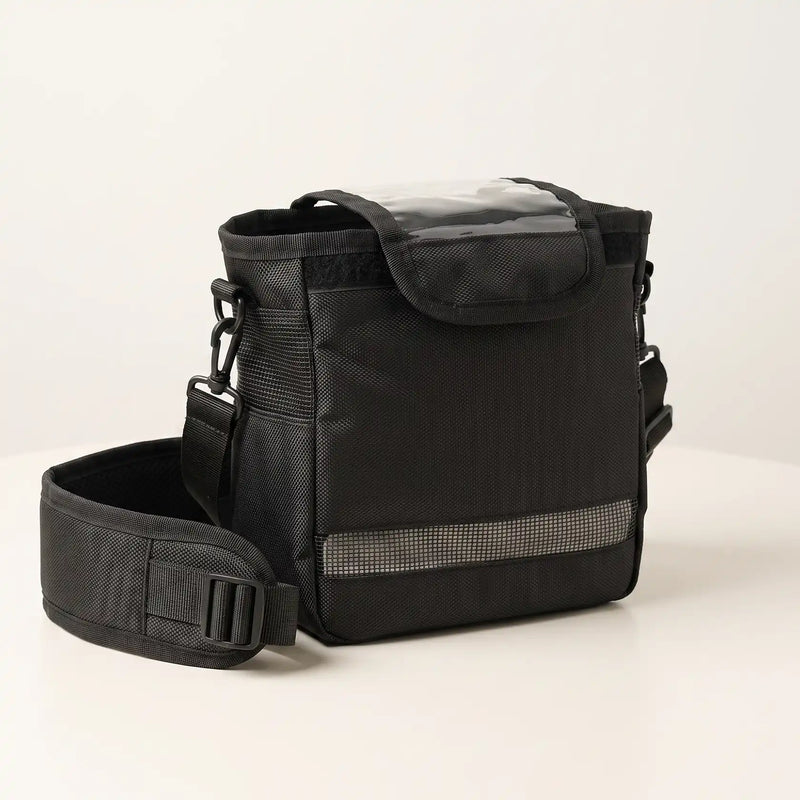
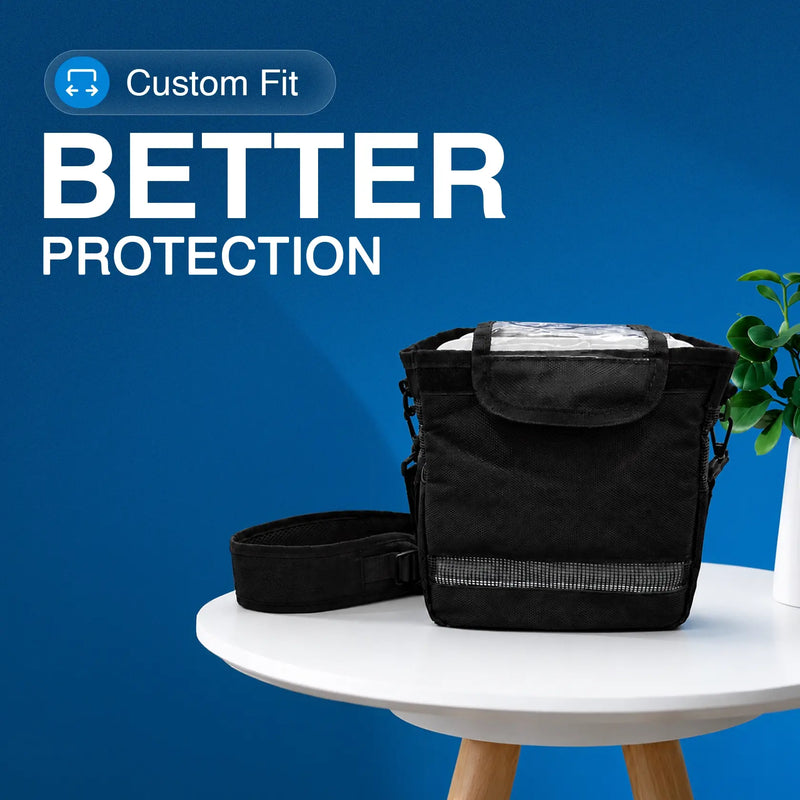
Protective Carrying Travel Bag for 1-7L/Min
Easy shoulder carry·Fits daily essentials
$30.00 -
 Free Shipping
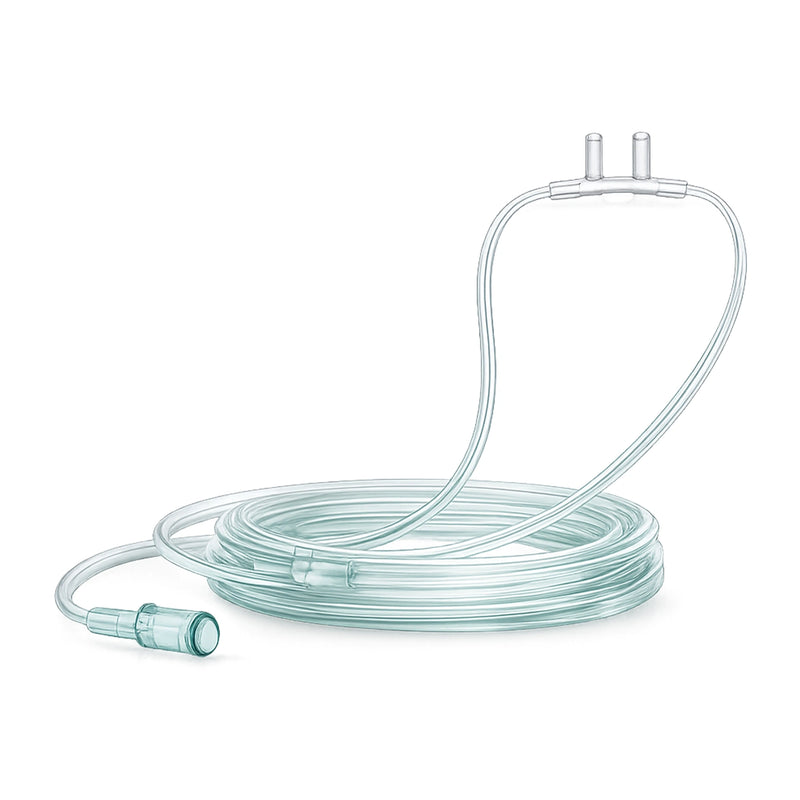
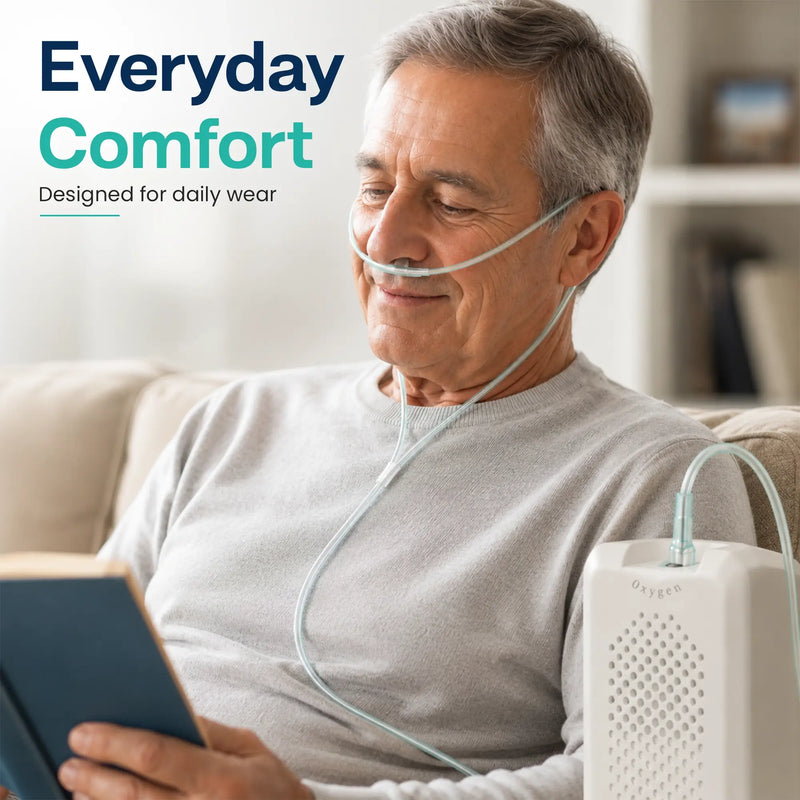
5-Pack Nasal Cannula Tubing for 1-7L/Min
1-7L flow compatible·Soft 6.6ft tubing
$110.00 -
 Free Shipping
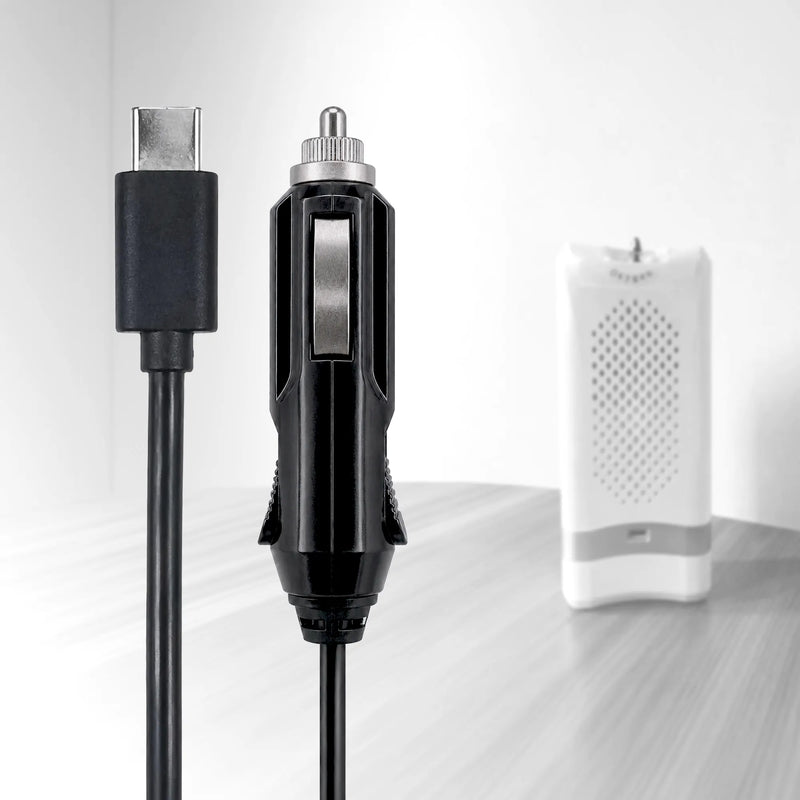
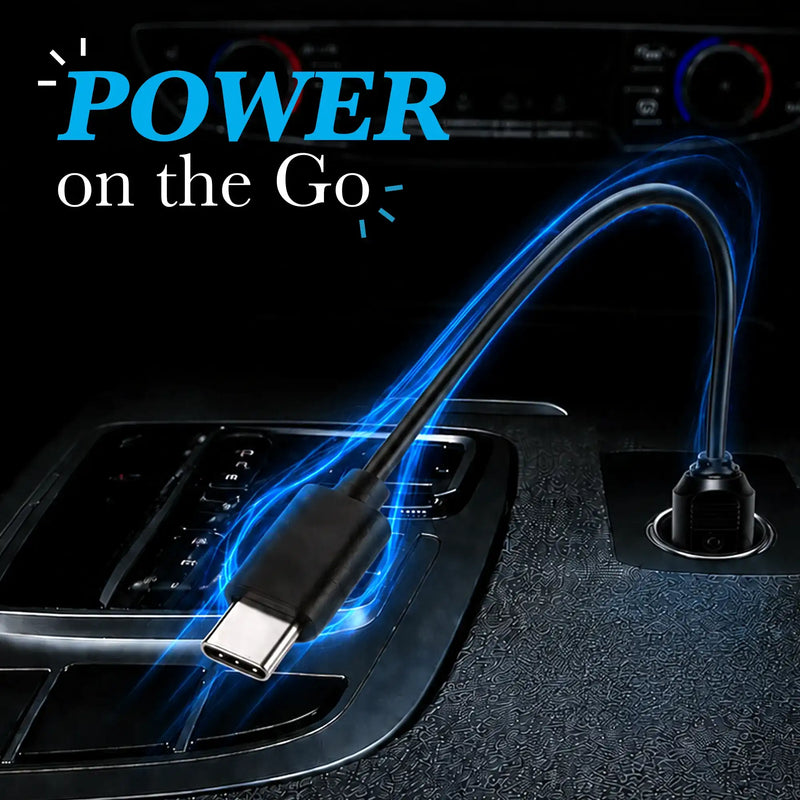
Car Oxygen Power Adapter for 1-7L/Min
Car-ready power support·Travel backup charging
$110.00 -
 Free Shipping
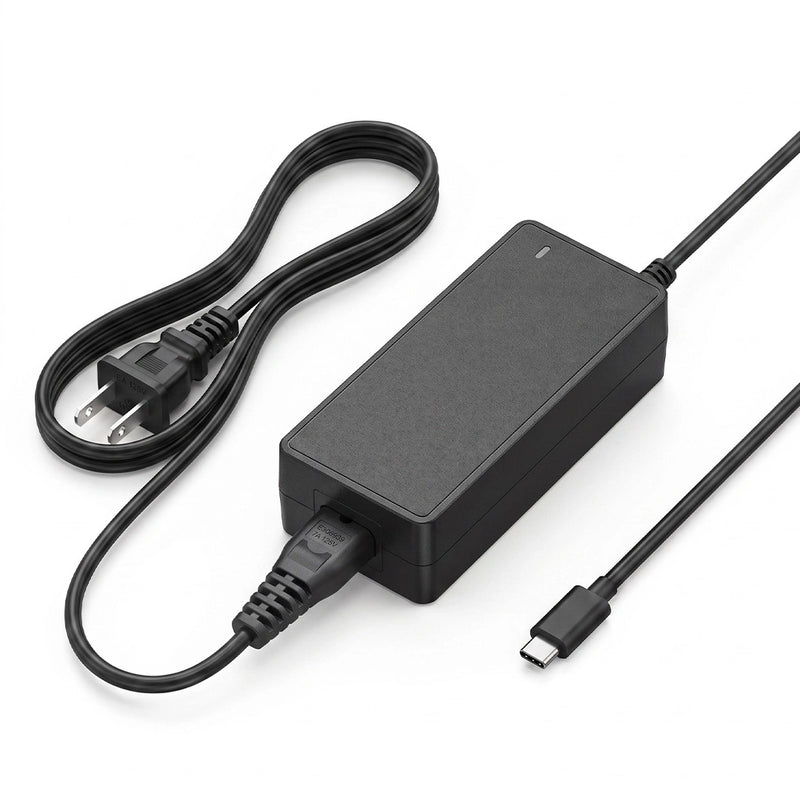
USB-C Home Power Adapter for 1-7L/Min
Direct wall power·Reliable home charging
$110.00 -

 SaleFree Shipping
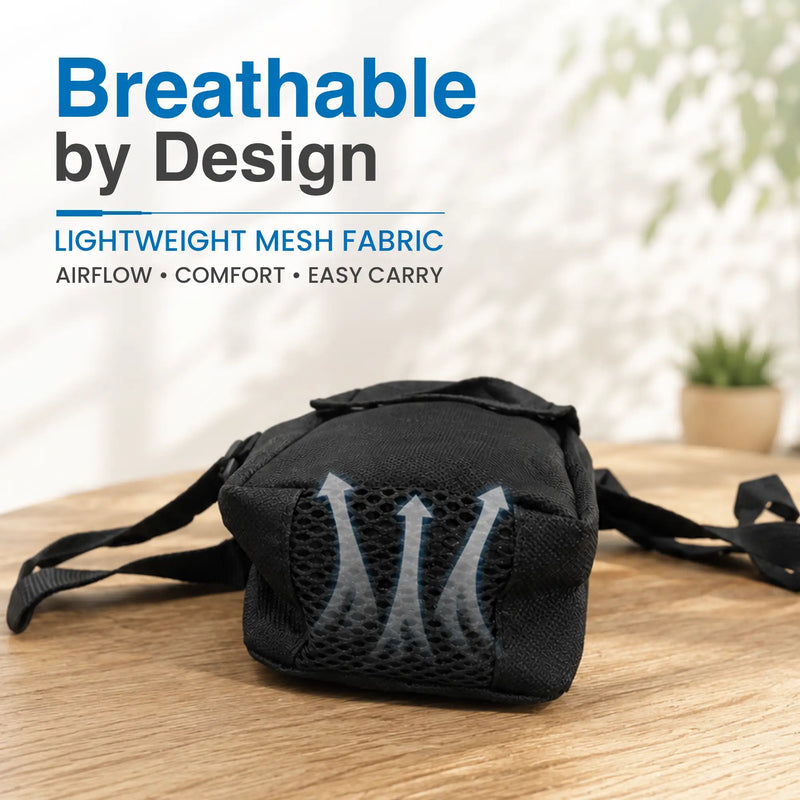
Protective Carry Bag for 1-3L Oxygen Concentrator
Easy shoulder carry·Fits daily essentials
$30.00 $50.00 -
 SaleFree Shipping
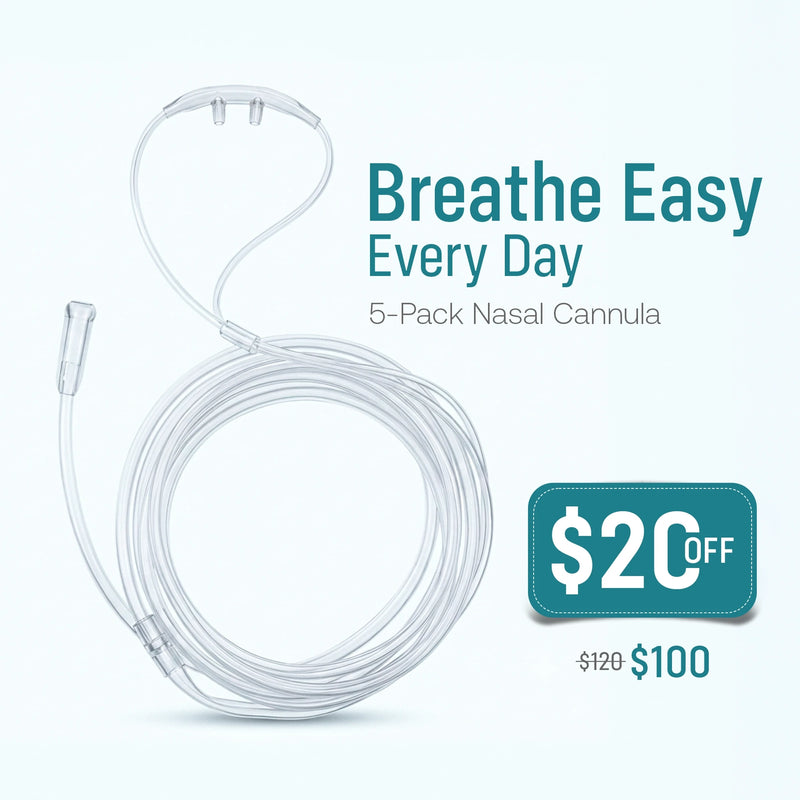
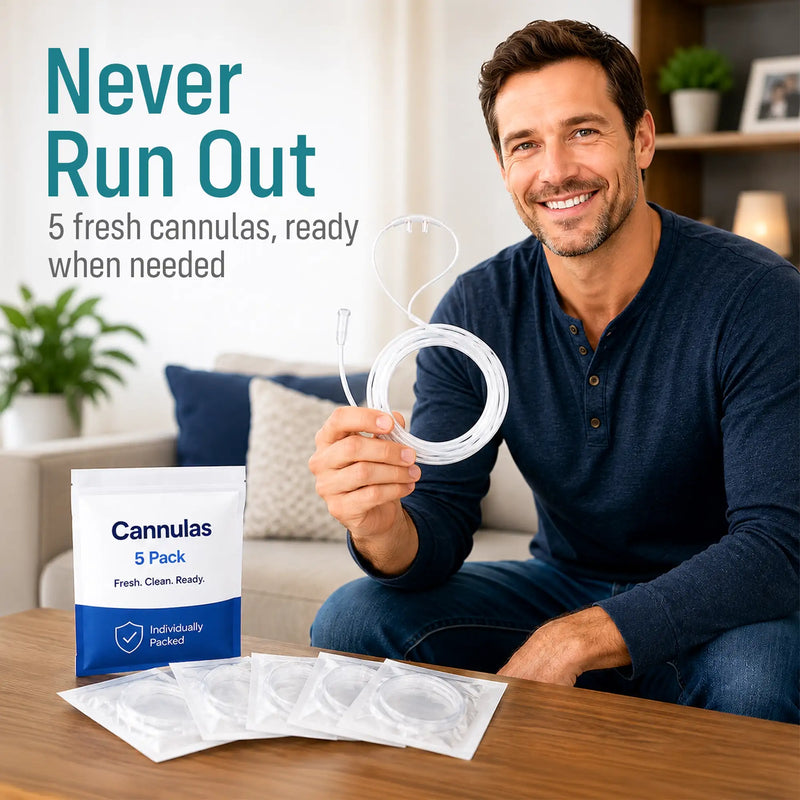
5-Pack Nasal Cannula for 1-3L Oxygen Concentrator
1-3L Devices·Soft 6.6ft tubing
$100.00 $120.00 -
 SaleFree Shipping
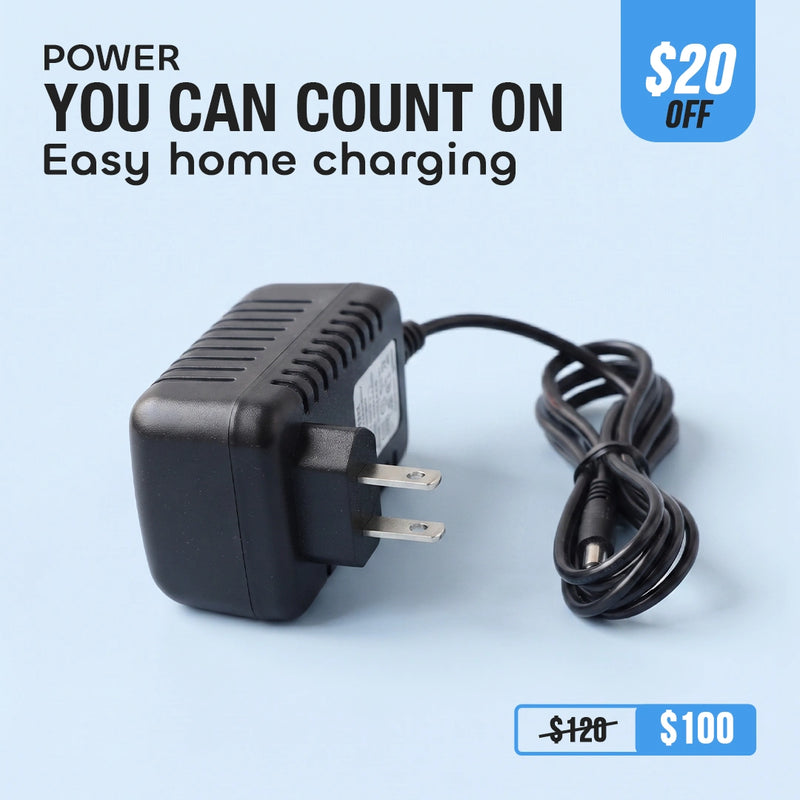
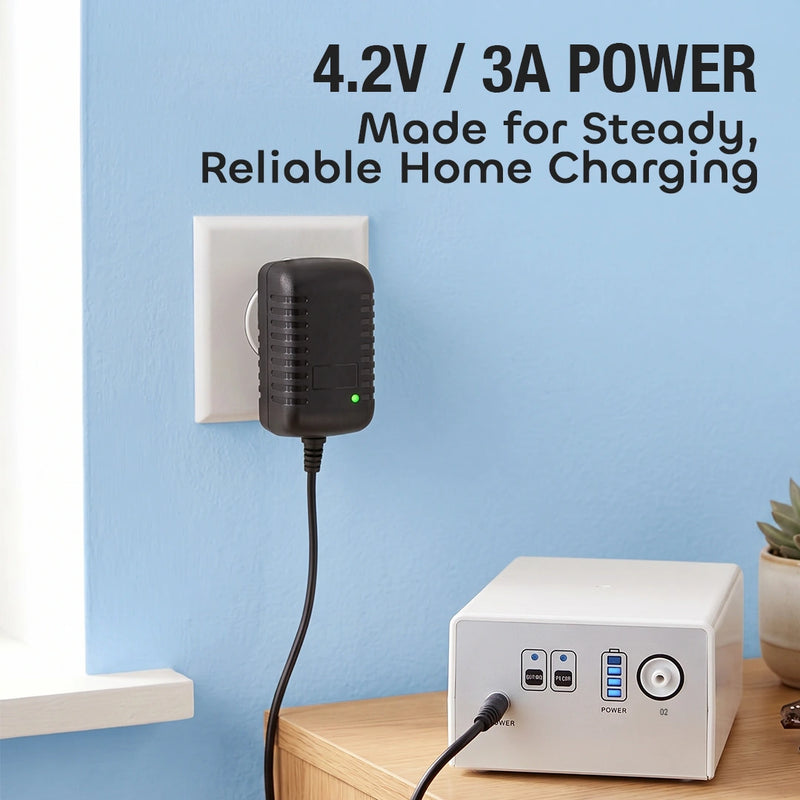
Home Charger for 1-3L Portable Oxygen Concentrator
Direct wall power·Reliable home charging
$100.00 $120.00
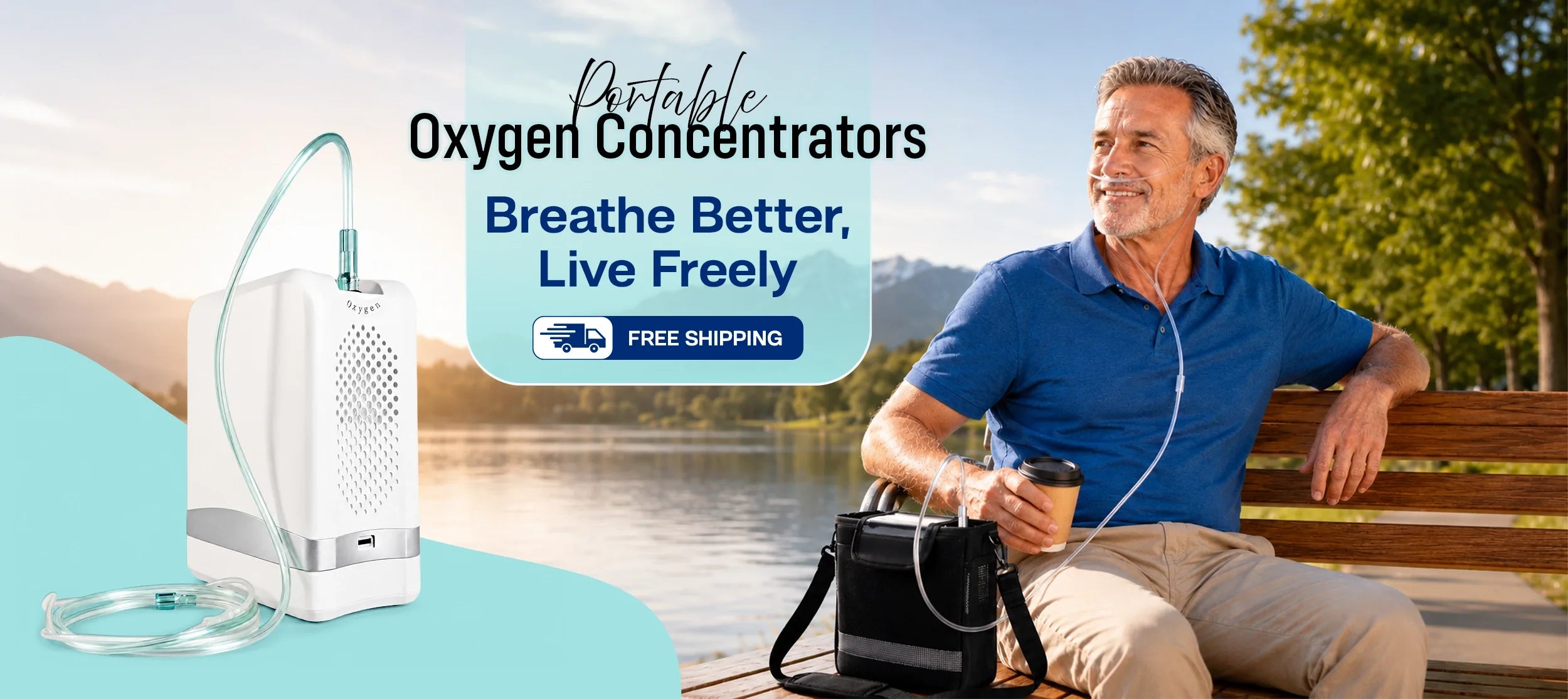
Needing oxygen should never tie you down. That idea shapes the unit we build. Our portable oxygen concentrator is tank-free, so it pulls oxygen straight from the air. There are no cylinders to refill and nothing heavy to drag along. You stay free to live on your own terms.
It is light enough to carry on a shoulder strap. It runs quietly at home or in a busy waiting room. The controls stay simple, too, so a single button adjusts your flow. Our 1-7L/min model gives you a wide range and high purity. Seven flow levels cover light days and higher needs alike. Take a quick look, then see how it fits your life.
How Our 1-7L Portable Oxygen Concentrator Compares to Other Brands
Many brands sell portable oxygen concentrators today. But the specs are not always easy to compare. So we put the key numbers in one place. The table below shows our 1-7L model against typical alternatives.
|
Feature |
Our 1-7L Model |
Other Brands |
|---|---|---|
|
Flow type |
Continuous flow, 7 adjustable levels |
Often pulse dose only |
|
Flow range |
1-7 L/min |
Frequently capped lower |
|
Oxygen purity |
90-94% |
Varies, sometimes unlisted |
|
Battery |
Replaceable, up to 4 hours |
Often built-in, not swappable |
|
Power options |
AC, DC car, and battery |
Limited on some models |
|
Weight |
About 3 lbs |
Varies widely |
|
Noise level |
≤ 60 dB |
Often unlisted |
|
Warranty |
One-year coverage |
Varies by seller |
Both sides have trade-offs, of course. Still, our 1-7L keeps the important specs clear and strong. It blends a wide flow range with high purity. And it stays light enough for daily carry. Here is why so many people choose a tank-free concentrator.
What Makes a Tank-Free Oxygen Concentrator Worth It
Traditional oxygen comes in heavy steel tanks. Those tanks run out and need refills. They are also awkward to lift and move. A portable oxygen concentrator works in a smarter way. It draws in the air around you. That air is mostly nitrogen, with about 21% oxygen.
A molecular sieve strips out most of the nitrogen. What is left is concentrated, oxygen-rich air. The device delivers it on demand, breath after breath. There are no refills and no deliveries to wait on. You also skip the cost and hassle of swapping cylinders.
That single change reshapes daily life. You stop tracking how much oxygen is left. You stop planning your week around refill trips. Just charge the battery and head out the door. Run errands, visit family, or sit in the garden.
You can also take a short road trip without a second thought. Then top up from a wall outlet or your car. This kind of freedom adds up over time. It supports your routine instead of controlling it. For many users, that means more energy and confidence.
Comfort matters just as much as freedom. The unit stays light and quiet during use. It blends into a calm room or a family dinner. Steady oxygen can help support healthy oxygen levels. For anyone managing COPD or similar needs, that helps.
It can make walking, talking, and resting feel easier. Caregivers feel the difference, too. A simple, reliable device means fewer worries each day. Ordinary moments start to feel far more manageable.
How an Oxygen Concentrator Turns Air Into Therapy
It helps to know what happens inside the case. The process is simple once you see it.
Room air enters through an inlet at the base. It first passes a filter that catches dust and particles. A small compressor then pushes the air onward.
Next, it flows through a molecular sieve bed. The sieve separates oxygen from nitrogen and other gases. Our unit uses a sieve imported from France. That higher-grade sieve helps keep purity strong, at 90 to 94%. The result is air rich in oxygen, ready to breathe.
The oxygen-rich air flows out from there. It travels through the outlet, the tubing, and your nasal cannula. Warm exhaust and extra gases leave through a vent. So always keep the inlet and vents clear.
Never rest the unit on a bed or sofa. Soft surfaces can block airflow and trap heat. Both can shorten the device's life over time.
A rechargeable lithium-ion battery powers the whole process. The pack runs at 14.4V and 6400mAh. That is what makes the device truly portable. You can also run it from AC or car power. The unit even works while it charges. Battery time stays one of the first specs to check.
Continuous Flow vs Pulse Dose: Which One Fits You
Oxygen can reach you in two main ways. Knowing the difference helps you shop with confidence.
Continuous flow sends a steady, measured stream. It keeps flowing whether you breathe in or out. The rate is measured in liters per minute, or LPM. Many people choose it for higher or overnight needs. It is also common for long-term oxygen therapy.
Pulse dose works in a different way. It releases a short burst only when you inhale. This conserves both oxygen and battery life. Pulse units often feel lighter and last longer per charge.
Our unit uses a continuous flow system. The settings adjust fully to your comfort. It offers seven flow levels in total. That range covers light days and higher needs alike. So you can dial in a stream that suits you. A clear display shows your current level at a glance.
One quick note on the numbers. A dial setting is just a setting, not a fixed dose. A 2 on one brand may not match a 2 on another. Output can shift with your breathing rate, too. Choose the flow that fits your needs. And always follow the steps in your manual.
The Specs That Matter Most Before You Buy

Size is the first thing most people notice. But it is rarely the spec that matters most. We point shoppers to a few key details instead. These are the ones that shape real daily use.
Oxygen output and flow range
Read the purity and flow range together, not alone. Our unit holds 90 to 94% purity. It covers a wide 1-7 L/min range. That suits higher needs or changing daily routines. Purity can shift slightly with your breathing rate.
The gear level you choose affects it, too. Seven settings give you room to fine-tune. Match the output to how you actually live each day. That balance is what makes the range so useful.
Battery life and power
Start with how long a single charge lasts. The unit runs up to 4 hours per battery. Its battery is replaceable, which is a real plus. Carry a spare, and you can stay out far longer.
A full recharge takes about 3 to 4 hours. The home adapter takes standard AC power. A car adapter covers you on the road. The unit can even run while it charges. That keeps you covered during longer sessions.
Weight, noise, and controls
A lighter unit is simply easier to carry around. Our model weighs about 3 lbs and stays very portable. It travels well on a strap or in a bag. Quiet operation helps at home and in public, too. The unit stays at 60 dB or below in use.
The controls stay simple and clear. One button powers it on and off. Plus and minus buttons set your flow level. A clear screen shows battery, flow, and oxygen percentage. It also tracks your usage time at a glance.
Full specifications and what comes in the box:
|
Specification |
Detail |
|---|---|
|
Product type |
Tank-free portable oxygen concentrator |
|
Oxygen flow |
Continuous flow, 7 levels (1-7 L/min) |
|
Oxygen purity |
90-94% |
|
Dimensions |
195 x 85 x 175 mm |
|
Weight |
About 3 lbs (1.4 kg) |
|
Noise level |
≤ 60 dB |
|
Battery |
Replaceable lithium-ion, 14.4V / 6400mAh / 92.16Wh |
|
Battery runtime |
Up to 4 hours, by setting |
|
Charge time |
Approx. 3-4 hours |
|
Power options |
AC home, DC car, or battery (use while charging) |
|
In the box |
Unit, battery, AC charger, car cable, 2 nasal tubes, manual, backpack, case |
|
Warranty |
One-year coverage |
These numbers tell a clear story. The unit pairs a wide flow range with strong purity. It stays portable at about 3 lbs. And it runs on home, car, or battery power. That mix suits both home days and time away. For most users, it covers nearly every routine.
Match an Oxygen Concentrator to Your Day

The best routine is the one this unit fits into. So, picture a normal week before you decide. A few quick scenarios make the value clearer:
-
Mostly at home? Set a comfortable flow level and relax. The quiet operation blends into any room.
-
Need higher output on some days? Seven settings give you room to adjust. The wide range adapts to changing needs.
-
Travel a lot? The battery runs up to 4 hours per charge. It is replaceable, so pack a spare for longer trips.
-
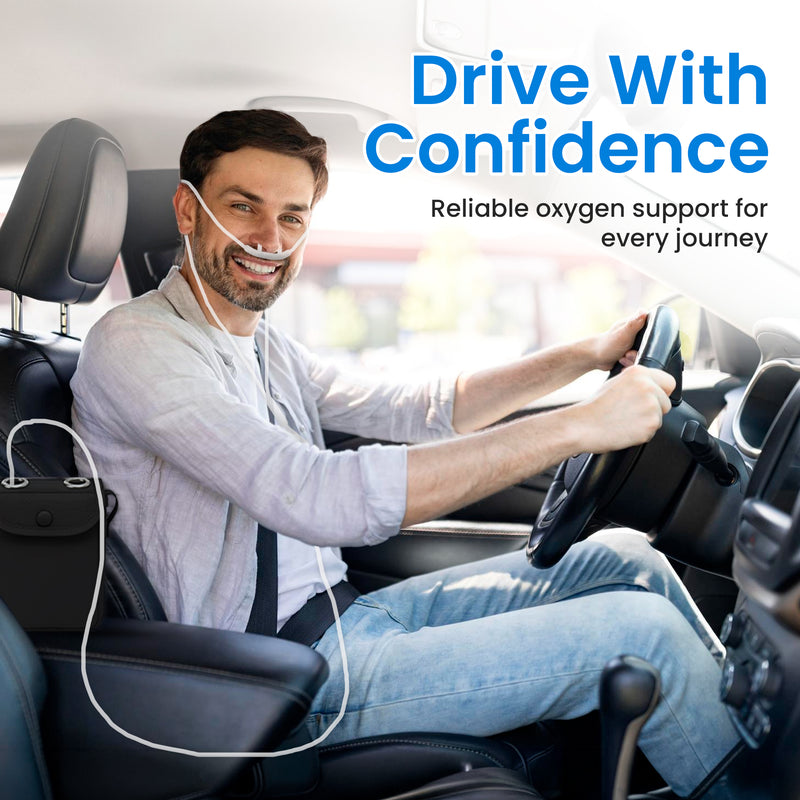
Spend time in the car? The included car cable keeps you charged. You can power up easily on the road.
-
Caring for someone else? Simple controls and a clear screen help. Setup and daily checks stay quick.
-
Active outdoors? Keep the unit out of direct sunlight and dust. Protect the vents from heat buildup.
Planning to fly? Check your airline's oxygen and battery rules first. Confirm any paperwork well ahead of your trip. A little planning keeps travel day smooth and worry-free.
Cost and Long-Term Value
Price matters, but it is not the whole story. The right unit is the one that fits your needs. That counts for far more than the lowest sticker. A cheap device that misses your needs helps no one. So weigh comfort, output, and reliability alongside cost.
Here is where our model stands today. The 1-7L unit is priced at $689. That covers a wide flow range and high purity. The price also includes free shipping across the USA. You get the full accessory kit in the box. A one-year warranty backs every order, too.
Think about the long run, not just day one. Spare batteries, filters, and nasal cannulas add up over time. A reliable unit keeps those costs predictable. Strong support and warranty coverage protect your purchase.
Portable Oxygen Concentrator vs Oxygen Tank
Many people start with a traditional oxygen tank. So it helps to see the two side by side. Tanks store a fixed supply of oxygen. A concentrator makes its own from room air. That core difference shapes everything else. The table below breaks down the key points. Read it before you decide which suits you.
|
What Matters |
Portable Concentrator |
Oxygen Tank |
|---|---|---|
|
Oxygen supply |
Makes its own from room air |
Fixed supply that runs out |
|
Refills |
None needed |
Regular refills required |
|
Weight |
About 3 lbs, easy to carry |
Often heavy and bulky |
|
Travel |
Battery, car, and AC power |
Hard to move and resupply |
|
Ongoing cost |
Mostly recharging |
Repeat refill costs |
|
Runtime |
Up to 4 hours, plus a spare battery |
Limited by tank size |
|
Noise |
≤ 60 dB in use |
Generally silent |
|
Daily freedom |
High, with simple recharging |
Lower, tied to refills |
Tanks still suit a few specific situations. But a concentrator wins on freedom and convenience. You skip refills, deliveries, and heavy lifting. You simply recharge and go. For most daily routines, that freedom is worth a lot.
Use Your Oxygen Concentrator Safely
Oxygen therapy works best with a little daily care. The right habits protect both you and the device. Keep these simple points in mind every day:
-
Read the manual before your first use.
-
Charge the unit fully before you rely on it.
-
Keep the air inlet and vents clear at all times.
-
Never cover the device or rest it on a bed or sofa.
-
Keep oxygen away from smoke, candles, and open flames.
-
Stay clear of stoves, heaters, and other heat sources.
-
Carry the unit upright to protect the parts inside.
-
Hear an alarm or notice odd behavior? Stop and contact our team.
These habits take only seconds, but they truly matter. Safe use keeps your oxygen support steady and dependable.
Keep Your Concentrator in Top Shape
A little upkeep goes a long way with any concentrator. Good care protects airflow, purity, and battery life. It also helps prevent alarms and weak output. So build these habits into your routine:
-
Keep the filter and vents clean, per your manual's schedule.
-
Check the tubing and the cannula for cracks, kinks, or wear.
-
Replace worn tubing or cannulas right away. Nasal tubes are disposable, so mind hygiene.
-
Charge the battery before you head out each time.
-
Store the unit somewhere cool, clean, and dry.
-
Not using it for a while? Charge it every 2-3 months.
-
Never spray liquid into the vents or ports.
-
See weak airflow, overheating, or repeated alarms? Call support.
The unit comes with a one-year warranty. It covers manufacturing and performance faults. Keep your warranty card and receipt handy. And remember, our team is here whenever you need us.
Is This Portable Oxygen Concentrator Right for You?
Still deciding if this unit suits you? Here is our honest take. It fits people who want a wide flow range. It suits those who value high oxygen purity. The seven settings adapt to light and higher needs. The replaceable battery supports a longer time away. And it stays light enough for daily carry.
You get a tank-free design at its core. A smooth, continuous flow system runs throughout. Home, car, and battery power keep you covered. A full carry setup and warranty come included.
Frequently Asked Questions (FAQs)
There are some common questions people ask about oxygen concentrators. Here are clear answers to the questions we hear most.
A tank holds a fixed supply of oxygen and needs refills. An oxygen concentrator makes its own oxygen from room air, so nothing runs out.
It is tank-free and ships with a car cable and carry bag. For flights, pack a spare battery and check your airline's rules first.
It depends on your flow setting. The unit runs up to 4 hours per replaceable battery, and a spare extends your time.
Yes, the unit can run while it charges from home or car power. We still suggest a full charge before any trip.
No, it never needs tank refills at all. It pulls in room air, filters it, and concentrates the oxygen for you
It includes a one-year warranty covering manufacturing defects and performance issues. Our support team also helps with setup, accessories, and questions after delivery.
It is quiet enough for everyday indoor use. The unit stays at 60 dB or below across its settings.
Yes, it uses continuous flow, which suits steady overnight support. Just keep the unit on a hard, flat surface so the vents stay clear.
Each order includes a battery, an AC charger, a car cable, two nasal tubes, and a manual. You also get a backpack and a carrying case.
Shop Portable Oxygen Concentrators You Can Count On
Ready to breathe a little easier every day? Check out our 1-7L portable oxygen concentrator now. Look over the specs at your own pace. Then see how it fits your routine.
Every order ships with the basics to get started. That includes a charger, tubing, and a carry bag. You also get warranty protection and friendly support. Best of all, shipping is free across the USA. Choose your concentrator, and take your oxygen anywhere.

